

Caviar and fish eggs are related, but they are not the same thing. Fish eggs, also called fish roe, can come from many kinds of fish, including salmon, trout, flying fish, lumpfish, and sturgeon. True caviar, however, only comes from the salt-cured roe of sturgeon.
The simplest way to remember the difference is this: all caviar is fish roe, but not all fish roe is caviar. If the eggs come from salmon, trout, tobiko, or lumpfish, they are fish roe — not true caviar. If the eggs come from sturgeon and are properly salt-cured, they can be called caviar.
In this guide, we’ll compare caviar vs fish eggs, explain what fish roe is, break down why sturgeon roe is considered true caviar, and show how popular roe options like salmon roe, trout roe, and red roe compare.
Quick Answer: Are Fish Eggs Caviar?
Fish eggs are called roe. Caviar is a specific type of roe that comes from sturgeon and is cured with salt. That means salmon roe, trout roe, tobiko, and lumpfish roe are fish eggs, but they are not true caviar.
People sometimes use phrases like “roe caviar” or “fish egg caviar,” but the more accurate terms are fish roe, sturgeon roe, or true caviar, depending on the source.
Curious what true caviar tastes like?
What Are Fish Eggs?
Fish eggs are the eggs produced by fish and other marine animals. They are often harvested from species like salmon, trout, flying fish, lumpfish, and sturgeon.
In culinary terms, fish eggs are usually called roe. They can vary widely in size, color, texture, and flavor depending on the species. Some fish eggs are small and crunchy, while others are larger, softer, and more delicate.
Fish eggs are commonly used in appetizers, sushi, pasta, spreads, and gourmet dishes. While they are sometimes casually called caviar, not all fish eggs are true caviar.
What Is Fish Roe?
Fish roe is the culinary term for fish eggs. Roe can come from many different species, including salmon, trout, lumpfish, flying fish, and sturgeon.
The term fish roe is broad. It includes many types of eggs, from bright orange salmon roe to tiny tobiko pearls and delicate sturgeon roe. Some roe is served fresh, while other types are cured, smoked, or seasoned.
The key thing to remember is that fish roe is a category. Caviar is one specific type of fish roe, but most fish roe is not true caviar.
What Is Caviar?
Caviar is salt-cured roe from sturgeon. Unlike general fish eggs or fish roe, true caviar must come from sturgeon and be carefully cured to preserve its texture, flavor, and quality.
This is what makes caviar different from salmon roe, trout roe, tobiko, and lumpfish roe. Those are all types of fish roe, but they are not true caviar.
Known for its delicate pearls, buttery texture, and refined ocean flavor, caviar is considered one of the world’s most luxurious foods.
Fish Roe vs Caviar: The Main Difference
The most important concept you should take away from this post is that, while caviar is a type of fish roe, not every type of fish roe is caviar.
There are two key differences between fish eggs and caviar. First, true caviar only comes from the roe of a sturgeon. It's like how a true glass of champagne only comes from the Champagne region of France.
Second, its eggs must be salt-cured. Until they undergo this process, the eggs are still just sturgeon roe.
Many restaurants and producers will attempt to label any fish roe — like salmon eggs — and roe alternatives as caviar, but don’t let this fool you.

Caviar vs Fish Eggs: Side-by-Side Comparison
Here are some other key differences between roe and caviar.
Source and Species
Only roe from the sturgeon species can become caviar. All other types of fish eggs can only be classified as roe, even if they also undergo a curing process.
Curing and Added Ingredients
To market sturgeon as caviar, it must undergo a salt treatment known as malossol — a Russian term that translates to “little salt” — which helps extend its shelf life. Alternatively, roe can include various types of seasoning.
Where Does Caviar Come From?
Sturgeon caviar almost always comes from the Caspian Sea and Black Sea regions near Russia and Iran. Meanwhile, other types of roe are found in a variety of locations around the world.
Now that we've covered these main differences, let's explore fish roe, sturgeon and caviar more in detail to give you a clearer idea of each one.
| Feature | Fish Eggs / Fish Roe | True Caviar |
|---|---|---|
| Meaning | Eggs from fish or marine animals | Salt-cured roe from sturgeon |
| Source | Salmon, trout, flying fish, lumpfish, mackerel, sturgeon, and more | Sturgeon only |
| Common names | Fish eggs, fish roe, roe, red roe, salmon roe, trout roe, tobiko | Caviar, sturgeon caviar, sturgeon roe |
| Price | Usually more affordable | Usually more expensive |
| Flavor | Often bold, salty, smoky, or briny | Buttery, nutty, delicate, oceanic |
| Texture | Varies by species | Delicate pearls with a refined pop |
| Is it caviar? | Not unless it is sturgeon roe and salt-cured | Yes |
Sturgeon Roe: The Fish Eggs Behind True Caviar
A sturgeon is a fish that dates back to when dinosaurs roamed the Earth. These fish can live up to 100 years and grow over 1,000 pounds.
Sturgeons come from the Acipenseridae family, found mainly in the following areas:
- Black Sea
- Caspian Sea
- Parts of the Pacific Northwest
- South Atlantic regions of North America
- Large European lakes and rivers
There are 27 different species of sturgeon, with 18 listed as endangered due to the overharvesting of roe for caviar. Here are some of the most common types of sturgeon used for caviar:
-
Beluga Caviar: While it's considered the world's most prestigious caviar, it's illegal to purchase imported Beluga pearls in the U.S. Domestically farmed Beluga is becoming more available, though it's still only in select states. Beluga caviar is known for its buttery and smooth texture, glistening gray pearls, and a clean finish.
- Ossetra Caviar: Characterized by fine, medium-sized grains that range in color from golden to brown, Ossetra caviar has a rich, nutty flavor.
- Kaluga Caviar: With a taste that resembles Beluga, Kaluga caviar is a great way to enjoy quality pearls legally. Its hint of saltiness paired with a smooth texture makes it a favorite among many.
-
Sevruga Caviar: Composed of small, delicate eggs with a gray or black color, Sevruga caviar has a perfectly firm texture and intense flavor.
Why Is Caviar More Expensive Than Other Fish Eggs?
Caviar isn't just the roe you find on top of your sushi or appetizer in a restaurant. It's a heavenly treat and luxurious delicacy around the world.
That said, caviar is a costly treat — especially when compared to more affordable types of fish roe. Here are a few reasons why the caviar price tag is so high for true caviar.
Sturgeon Take Years to Produce Roe
Sturgeon are slow-growing fish, with females producing eggs between 10 and 20 years of age. This long waiting period drives up the price so producers can recoup their investment.
True Caviar Comes From Rare, Carefully Farmed Sturgeon
Due to historical overfishing, certain types of sturgeon are at risk of becoming extinct. In the United States, this rarity led to lawmakers banning the sale of imported Beluga sturgeon eggs within the country.
If you want to support a growing industry that aims to protect the species, look for fish roe products from sustainable farms. These farms allow the fish to continue living after harvesting their eggs, which helps preserve the fish and reduce the overall cost.
Harvesting and Curing Sturgeon Roe Takes Skill
On top of waiting decades for a sturgeon to mature, workers expend significant time and effort in harvesting and processing quality caviar. Properly and sustainably harvesting the eggs from the sturgeon takes great care and attention to detail.
We at Imperia Caviar know the best caviar is made by hand. That's why our partner farms keep our sturgeon in an environment that mimics their natural habitat while protecting the species from potential predators.
Caviar Is Graded for Size, Color, Firmness, and Flavor

Before it can be packed and sent to market, caviar is graded according to several factors:
- Egg size
- Color
- Firmness
- Flavor profile
- Texture
- Maturity
The highest level is Grade 1 caviar, which includes the firmest, largest, and most vibrantly colored eggs. When you buy Grade 1 caviar, you're paying for the highest-quality caviar available. Grade 2 is still delicious, but it's less firm and delicate than Grade 1.
This careful grading process is one of the reasons true caviar costs more than other fish eggs and fish roe.
Popular Types of Fish Eggs and Fish Roe
While caviar will always be the pinnacle of fish egg products, it's often too costly for an everyday snack. That's why affordable “caviar” from non-sturgeon fish has become more available in recent years.
Some popular caviar alternatives include:
- Trout: Our wood-smoked trout roe is bright orange, with a savory and smoky flavor that hints at the sea. Its texture is buttery smooth, and it's perfect on hors d'oeuvres and simple appetizers.
- Mackerel: The thin, soft membrane of mackerel roe makes it a real treat when served on crunchy bites like crackers and mini toasts. It's often canned in olive oil to preserve its intense briny flavor.
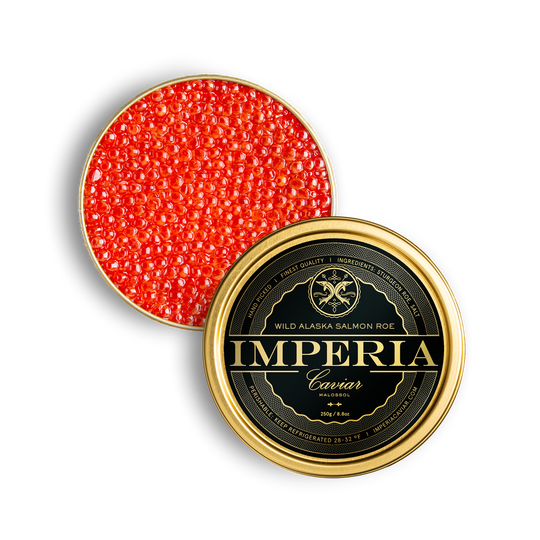
- Salmon: Salmon roe is large and firm, with a vibrant reddish-orange color caused by its high antioxidant content. It's also known as ikura, a Japanese word that translates directly to “the roe of salmon.”
- Flying fish: Also known as tobiko, flying fish roe is a common sushi topping. It has a more neutral flavor than other types of fish roe, so manufacturers often infuse it with additional colors and flavors like wasabi, squid ink, and citrus.
- Lumpfish: The lumpfish is an arctic fish that produces small yet colorful eggs. Because the flavor is sharper and less refined than traditional caviar, you can add it to more adventurous dishes that would drown out the subtleties of sturgeon roe.
How to Serve and Enjoy Fish Eggs
Here are some tips you can use to incorporate any variety of fish eggs into your everyday life.
How to Serve Caviar
Caviar is a delicate food, so you have to take great care when serving it. Some key considerations include:
- Utensils: Use utensils made from nonmetallic materials to prevent oxidation. While a mother-of-pearl spoon is a popular choice due to its elegant appearance, you can also use wood, horn, plastic, or glass.
- Temperature: Serve caviar well chilled, such as on a bed of ice, to preserve its quality and enhance its exquisite flavor.
- Food pairings: Keep all accompaniments simple to let the caviar shine. One classic combination we love is a spoonful of caviar pearls sprinkled on top of a crème fraîche-covered blini.
- Drink pairings: Dry champagne goes well with almost any type of caviar. We also recommend light white wines, such as Riesling or pinot grigio, that won't overwhelm the caviar's intricate flavor.
Using Fish Roe in the Kitchen
Fish roe is a versatile ingredient used in dishes like appetizers, sauces, and dips. You can give it the caviar treatment with blinis and crème fraîche, or you can use it in a wide variety of recipes:
- Pasta: Sprinkle a spoonful or two of lumpfish roe on your favorite creamy pasta dish for a nutrient-dense punch of flavor.
- Toast: Top buttered toast with red salmon roe for a savory breakfast, snack, or appetizer.
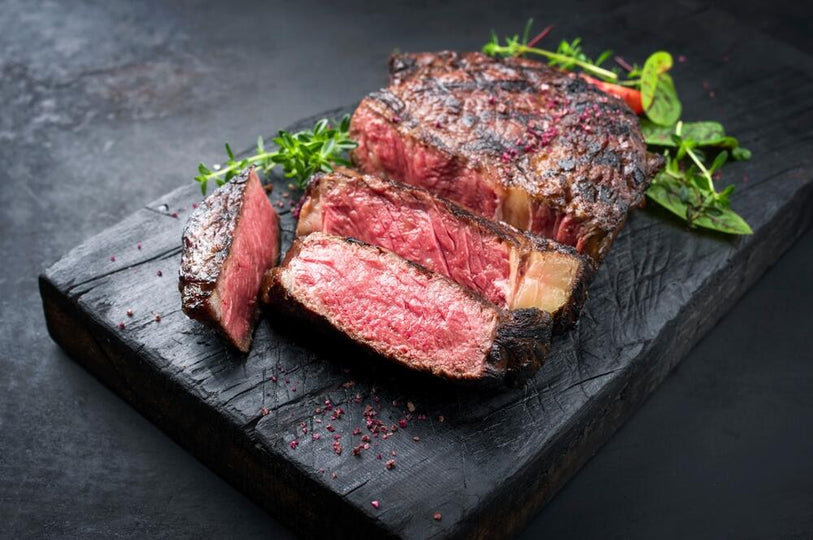
- Steak: Garnish a tender filet mignon or ribeye with a dose of your favorite fish roe to create a mouthwatering combination any meat lover will enjoy.
- Pizza: Anyone who likes anchovies on a regular slice will love a bechamel white sauce pizza topped with fish roe pearls.
- Custard: Add dimension and depth to a basic dessert with a scoop of salty-sweet caviar.
When it comes to cooking with fish eggs, the possibilities are endless. Explore our blog for more fish roe and caviar recipe ideas.
Taste the Difference for Yourself
We hope you've enjoyed learning about the differences between fish roe and caviar. Consider trying some of our caviar for yourself to see if you can detect these differences in quality and flavor.
With Imperia Caviar, you don't have to break the bank to enjoy excellent caviar. Whether you're looking for a rich Royal Ossetra or a buttery Kaluga Hybrid Reserve, our delicious caviar can satisfy your craving for a savory gourmet treat.
With its hint of ocean salt and the iconic texture in each bite, you'll truly understand why caviar is such a delicacy. To experience this unique culinary delight, browse our premium caviar selection and order yours today!